“Assuredly, I say to you, in as much as you did it to one of the least of these My brethren, you did it to Me.” Matthew 25:40
Transforming the Social Status of the Deprived
Social Transformation Programme
Message from our Vice President (HQ Ghana)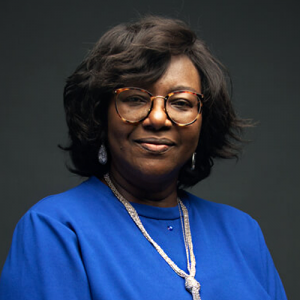
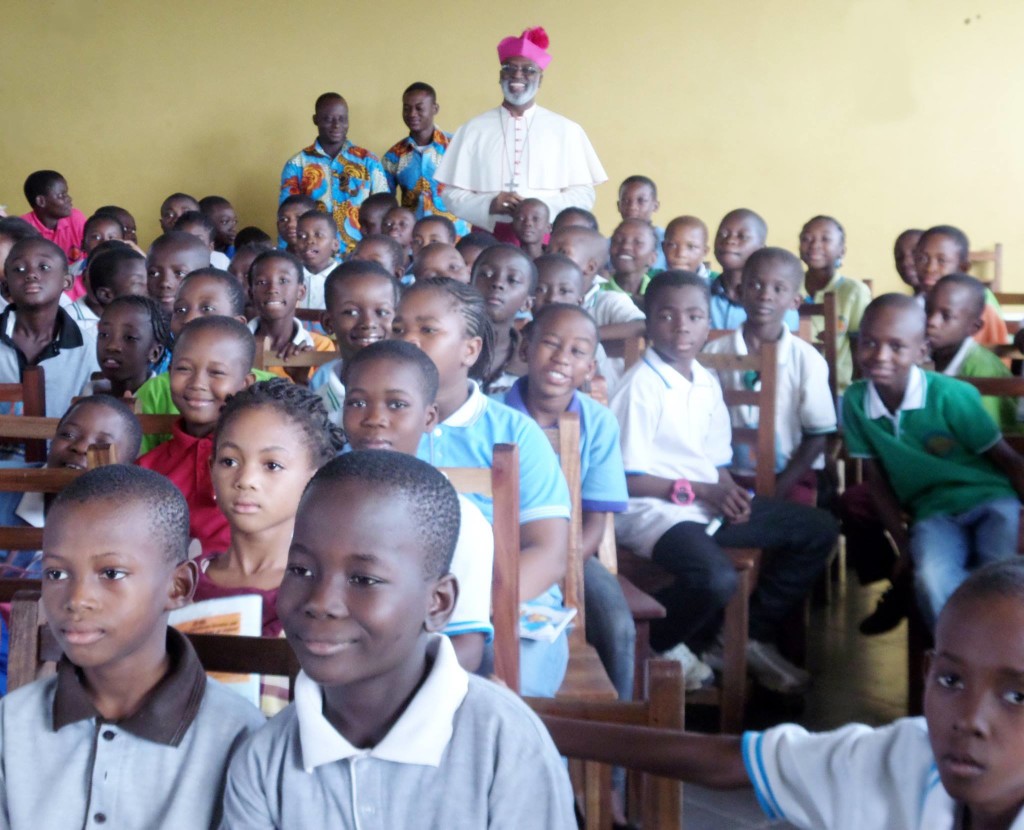
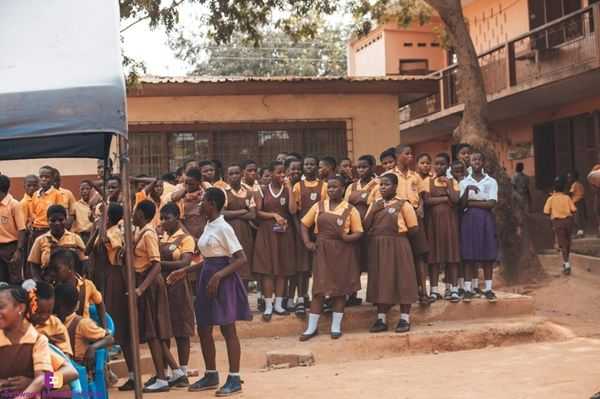
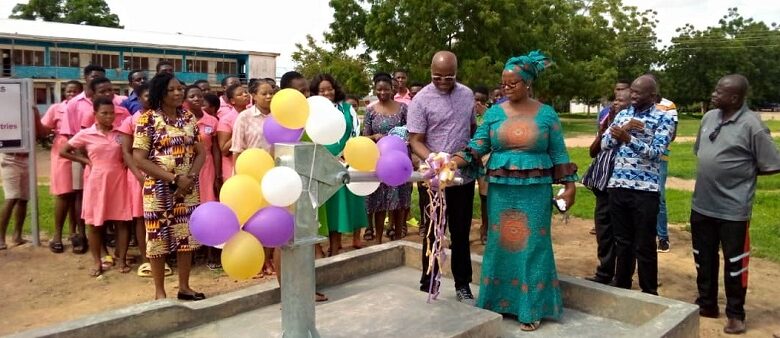
The period under review can be described as one of progress focusing mainly on education and health interventions for children and youth.
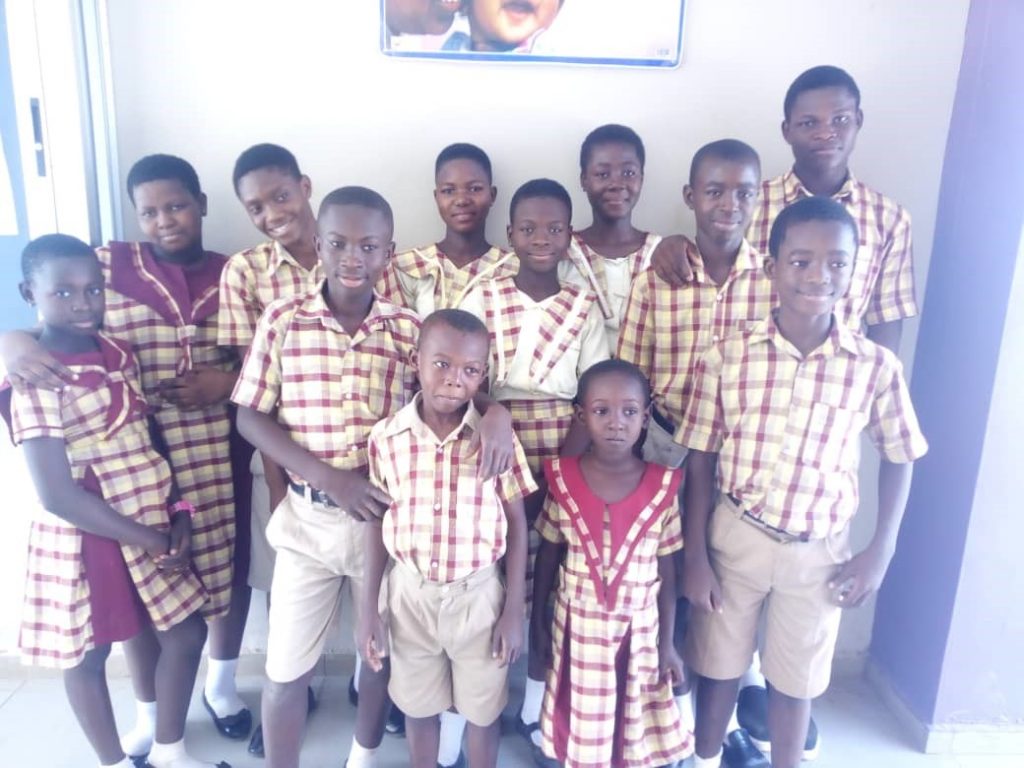
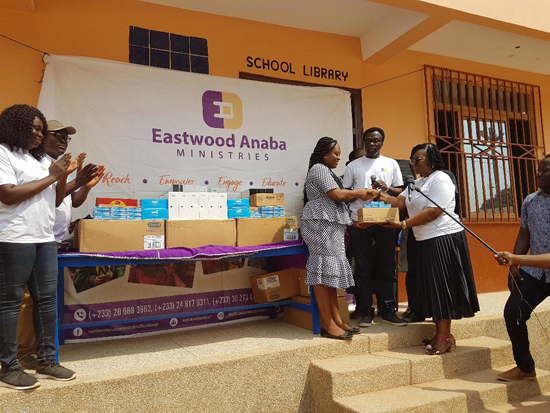
As a result of the financial support received, 69 students were supported and are currently enjoying uninterrupted education at the basic, senior high and tertiary level. In addition, 18 senior high school students from the Upper East Region whose outstanding performance at the Basic Education Certificate Examination (BECE) have earned them the maiden Eastwood Anaba Scholarship Scheme. The medical outreach programme reached out to 290 inmates and staff of the James Camp Prisons in the Greater Accra Region. 2 entrepreneurs were supported to set up their businesses. Mentoring services were provided to the Nyariga Doone Girls Junior High School with the aim of empowering them to be self-starters in whatever field they find themselves in their quest for academic excellence.
We are proud to be working with a dedicated team and caring individuals committed to ensuring that programmes for our target group are fully and well implemented. As we move forward in 2020 and beyond and with the continuous support of our donors, partners and the governing council, we are ready for the achievements ahead. I look forward to continuing to support this great ministry and its dedicated team to achieve the mission of endowing lives of the vulnerable wherever we work.
I invite you to read this report and see how by partnering with us, we can help children in deprived communities.